Walk into a modern makerspace in the United States and you’ll likely hear the gentle hum of 3D printers creating everything from custom phone stands to miniature dinosaurs. What began as a niche technology used by engineers and manufacturers has evolved into a nationwide hobby, business tool, and cultural phenomenon.
Today, 3D printing is helping Americans design products, repair household items, create art, and even manufacture components for aerospace and medical applications. But along with its exciting possibilities comes a fair share of controversy—none more famous than the debate surrounding 3D-printed firearms.
America’s Love Affair with Making Things
The United States has long embraced innovation and DIY culture. From garage inventors to Silicon Valley startups, Americans have a habit of asking, “Can I build that myself?”
3D printing fits perfectly into that mindset. With a computer, design software, and a desktop printer, individuals can transform digital ideas into physical objects within hours. Need a replacement knob for an old appliance? Print it. Want a custom chess set shaped like famous landmarks? Print that too.
Schools, libraries, and community workshops across the country have adopted the technology, giving students and hobbyists access to tools that were once available only to large manufacturers.
When 3D Printing Entered the Headlines
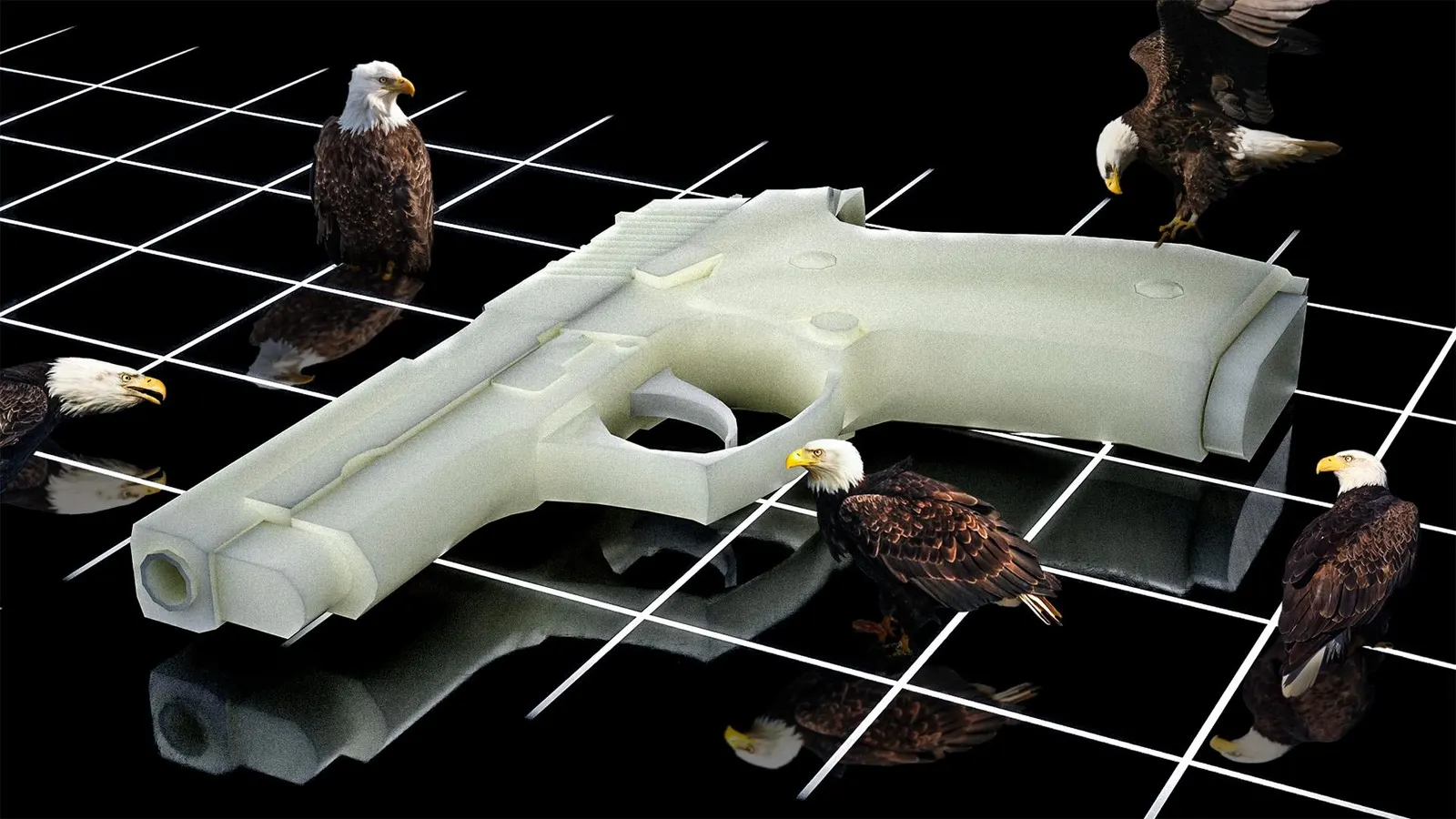
For years, 3D printing mostly generated stories about innovation and creativity. Then a different use case grabbed public attention: firearms.
The idea that parts of a gun could be manufactured using consumer-grade printers sparked debates about regulation, public safety, technology, and free expression. Suddenly, a technology previously associated with prototypes and hobby projects was appearing in national news broadcasts.
The discussion highlighted a broader reality about technological innovation: tools themselves are often neutral, but their applications can be complex and controversial.
Beyond the Controversy
Despite the headlines, the overwhelming majority of 3D printing activity in the United States has nothing to do with weapons.
Businesses use the technology to rapidly prototype products. Hospitals create anatomical models that help surgeons prepare for procedures. Automotive enthusiasts print custom components. Architects build detailed scale models. Artists create sculptures that would be difficult to produce using traditional methods.
Even NASA has explored 3D printing technologies for space-related applications, demonstrating just how versatile the technology can be.
The Rise of the Maker Movement
One of the most fascinating aspects of 3D printing is how it has empowered ordinary people.
A teenager can design and sell products online. A retired engineer can invent tools for niche hobbies. A small startup can test new ideas without investing in expensive manufacturing equipment.
This democratization of production has fueled the growth of the American maker movement, where creativity often matters more than company size or budget.
What Comes Next?
As printers become faster, cheaper, and more capable, experts expect 3D printing to play an even larger role in American life. Future systems may print with advanced metals, sustainable materials, and even biological tissues.
The technology’s journey has already been remarkable. In just a few decades, it has gone from an industrial curiosity to a household tool, a business asset, and a subject of national debate.
Whether people view it as a manufacturing revolution, a creative outlet, or a disruptive force, one thing is certain: 3D printing has secured its place in America’s technology story—and it’s still only getting started.